When Is the Best Time to Visit Maui? (It’s the Shoulders)
Are you planning a trip to Maui but aren’t sure when to go? While any day of the year is a good day to be on Maui, some months are definitely better than others. April to October is “dry” and November to March is “wet.” May and October see a lot fewer tourists than the rest of the year. You won’t see whales in summer. The air temperature does in fact change with the seasons. And the all-in cost of your Maui vacation can vary a lot depending on when you go. Let’s break it down.
The Short Answer
If your dates are flexible, aim for one of the two shoulder seasons: May to early June, or Labor Day to Thanksgiving. You usually get dry weather, warm water, thinner crowds, and the best prices of the year. If you want whales, come between mid-January and March and accept that you’ll pay more and might catch some rain.
Maui in Winter: December, January, February (and March)
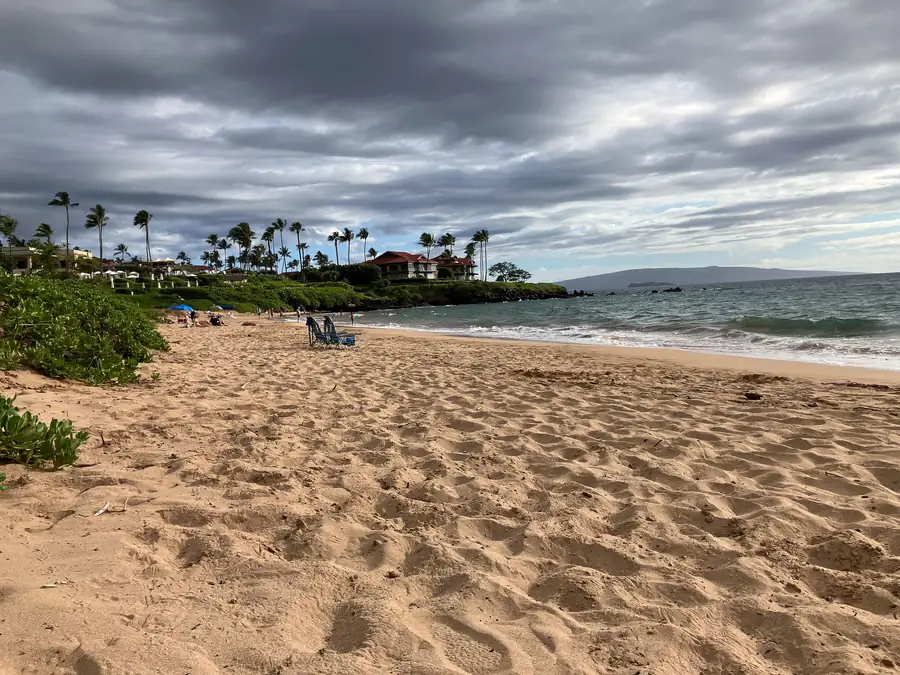
Maui essentially has two seasons: the dry season (April to October) and the wet season (November to March), but they aren’t set in stone. You can have plenty of sunny 85-degree days in winter and the occasional 70-degree rainy day in summer.
Statistics don’t lie though, and the historical data says December through March are the wettest months of the year on Maui.
While a tropical vacation during the wet season may sound romantic, your precious beach time can be at risk if a Kona Low or other winter system moves over the islands. These can last four or five days at a time, cause flooding and erosion across the island, and bring the hammer down on even the best-planned beach excursions.
That said, if you’re fleeing two feet of snow in Calgary or Chicago, there’s no better time to escape to Maui than the dead of winter. Whatever the trade winds bring, you’re still likely to be better off than you were at home. Just know that Christmas through New Year’s and Presidents’ week are the most expensive and most crowded weeks of the entire year.
The other cool thing about December in particular is that the first two weeks of the month are totally dead. Very few tourists arrive more than about ten days before Christmas, so you can often find better rates on lodging and excursions in early December.
Did we mention the whales? Watching humpbacks frolic in the protected basin between Maui, Lanai, and Kaho’olawe is a highlight of any Hawaii vacation. Mothers and their calves are here only in winter, with peak whale-watching season running from mid-January to March. Breaching, fin slapping, and tail crashing are favorite activities, and it all happens in plain sight from some of Maui’s best beaches. Binoculars are optional but highly recommended!
Maui for Spring Break: April
April is a tale of two halves. The weeks around Easter and spring break bring a real surge of families, and prices snap higher in response. Once the last spring breakers fly home, usually by mid to late April, the island exhales and everything loosens up a bit.
Weather-wise, April is when the dry season starts to take hold. Rain becomes less frequent, the last of the whales are heading back to Alaska, and the hillsides are still green from winter. If you can come in the back half of the month, you get something close to shoulder season with a little leftover whale action.
Maui in Spring (Shoulder Season #1): May to Early June
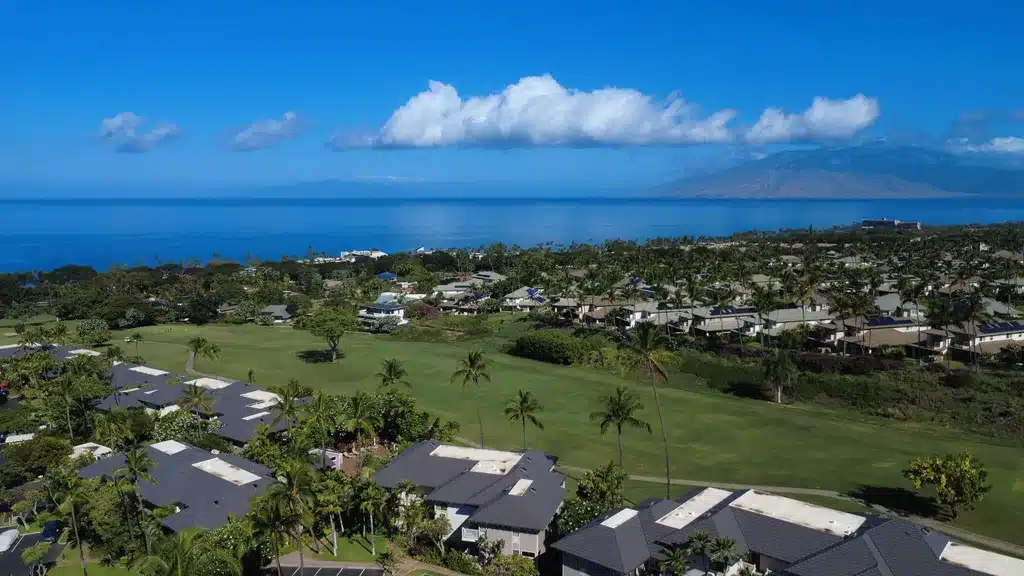
This is our favorite window of the year. School is still in session on the mainland, winter visitors are long gone, and the summer families haven’t arrived. Beaches have room, dinner reservations are easier, and lodging rates dip before the summer bump.
The weather is about as reliable as Maui gets: dry, sunny, highs in the mid 80s, and ocean temperatures warm enough that most people won’t hesitate to dive right in. The one thing to know is that Memorial Day weekend gets busy, and Japan’s Golden Week in early May sometimes brings a short burst of visitors. Neither is a dealbreaker.
Maui in Summer: June, July, and August

Summer is the driest and hottest stretch of the year, and also the second busy season. School’s out, so mid-June through mid-August is prime time for families. Expect fuller flights, pricier rental cars, and more company at the popular beaches. But it’s still nothing like the Christmas crush.
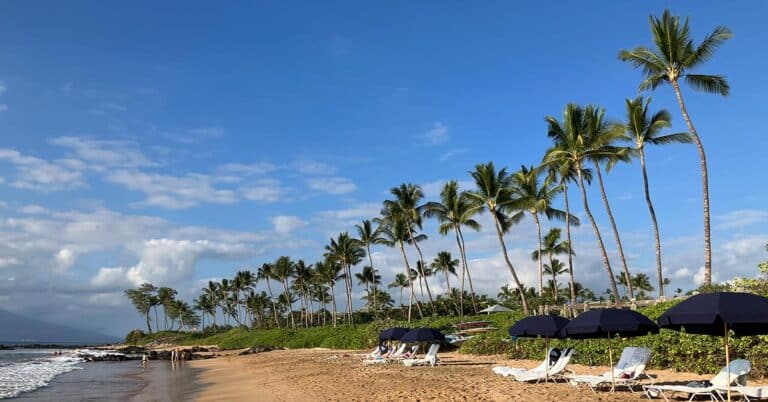
The upside is the weather. South Maui beaches like Wailea, Ulua, and Keawakapu are typically calm and clear on summer mornings, which makes this the best time of year for snorkeling and for getting your kids into the water. Trade winds pick up most afternoons, so plan for beach time in the mornings and pool time thereafter. No whales, but plenty of turtles hang around all year.
Hurricane season officially runs June through November. Direct hits on Maui are incredibly rare (like none in recorded history), but a passing storm can bring a few days of humidity, wind, and surf. Check the long-range forecast and consider buying travel insurance if you’re someone that gets spooked by the possibility of nasty weather.
Maui in Fall (Shoulder Season #2): Labor Day to Thanksgiving
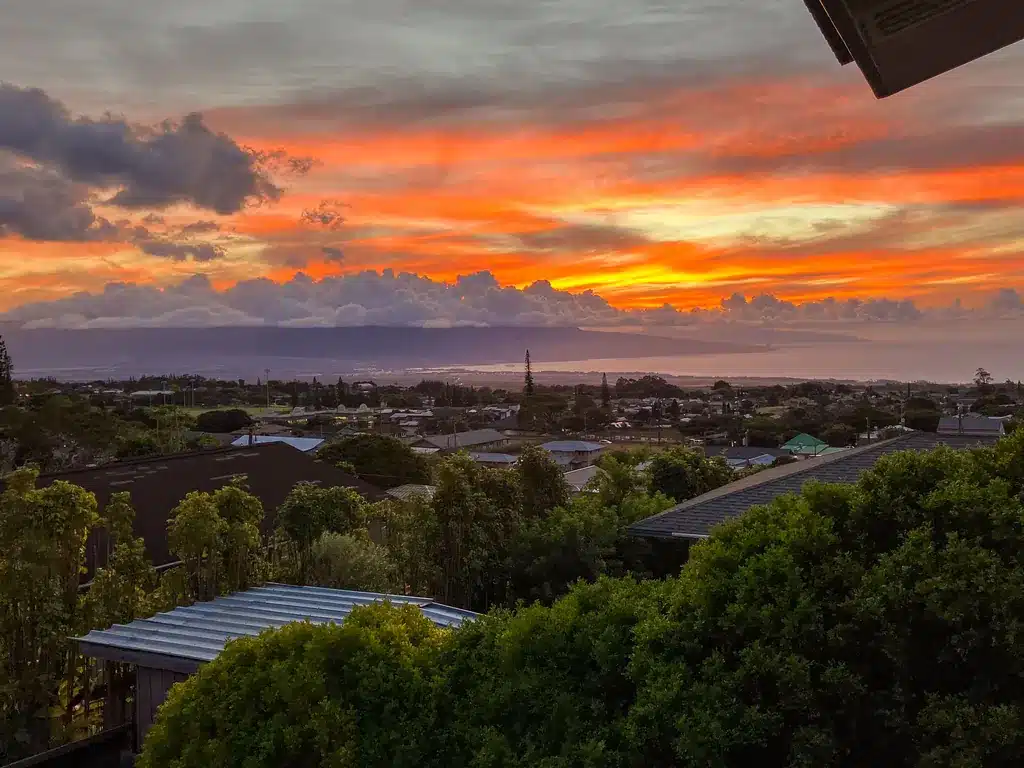
The day after Labor Day, the kids go back to school and Maui gets quiet almost overnight. While September and October are the slowest months of the year for visitors, this is when the ocean is actually at its warmest (around 80 degrees). And the weather often stays mostly dry until the first winter systems show up in November.
This is the season for travelers who like having a beach mostly to themselves. Lodging rates and flights are at or near their lowest of the year, restaurants have tables, and the week before Thanksgiving is one of the best-kept secrets on the calendar. September can sometimes be hot and a little sticky when the trade winds take a day off, especially during El Nino years, so keep that in mind.
So When Should You Go?
It depends on what you care about most:
Wherever you land on the calendar, where you stay matters as much as when. Wailea sits on the dry, leeward side of the island and gets far less rain than Hana or the North Shore, so even a wet-season week here usually includes plenty of beach days. Here’s how Wailea compares with Kaanapali if you’re still choosing a home base.
South Maui Weather by Month
For the data nerds out there, here are long-term monthly averages for Kihei, just up the road from Wailea. Wailea runs very close to these numbers.
| Month | Avg high (°F) | Avg low (°F) | Ocean temp (°F) | Rainfall (in) |
|---|---|---|---|---|
| January | 80 | 65 | 76 | 1.8 |
| February | 80 | 65 | 75 | 1.6 |
| March | 81 | 66 | 75 | 1.9 |
| April | 82 | 67 | 76 | 1.5 |
| May | 84 | 69 | 76 | 0.8 |
| June | 85 | 71 | 77 | 0.3 |
| July | 86 | 72 | 79 | 0.6 |
| August | 87 | 73 | 79 | 0.8 |
| September | 87 | 72 | 80 | 0.8 |
| October | 86 | 71 | 79 | 1.0 |
| November | 83 | 69 | 79 | 1.3 |
| December | 81 | 67 | 77 | 1.7 |
🏝️ Host Insider Tip
Early December is one of our favorite sneaky good times to be on Maui. Very few tourists arrive more than about ten days before Christmas, so the first two weeks of the month are quiet and you sometimes have beaches all to yourself.
Stay in Wailea, Book Direct
Grand Champions #4: Two king suites, two pools with hot tubs, and easy access to Maui’s best beaches: Wailea, Ulua, Mokapu, and more. Get our best rates and no platform fees when you book with us.